
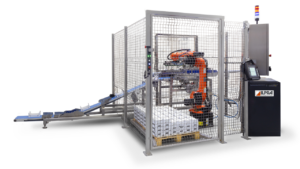
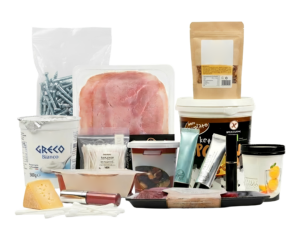
A food tray sealer is a packaging machine designed to seal preformed trays and containers using a sealing film. It is widely used in the food industry to protect products, preserve freshness, and extend shelf life.
Traysealers
ILPRA tray sealers integrate advanced sealing technologies for precise control of tray positioning, film handling, and atmosphere modification. Supporting MAP, vacuum, and skin packaging, they ensure product protection, extended shelf life, and high sealing quality.
The range includes semi-automatic and automatic tray sealers, in-line systems, and bucket line solutions, designed for scalable, efficient, and high-speed packaging. Advanced control of temperature, pressure, and cycle time guarantees consistent, reliable performance across all formats.
 Semi-automatics
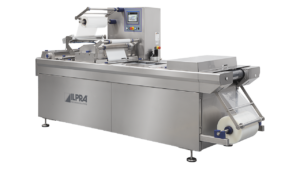
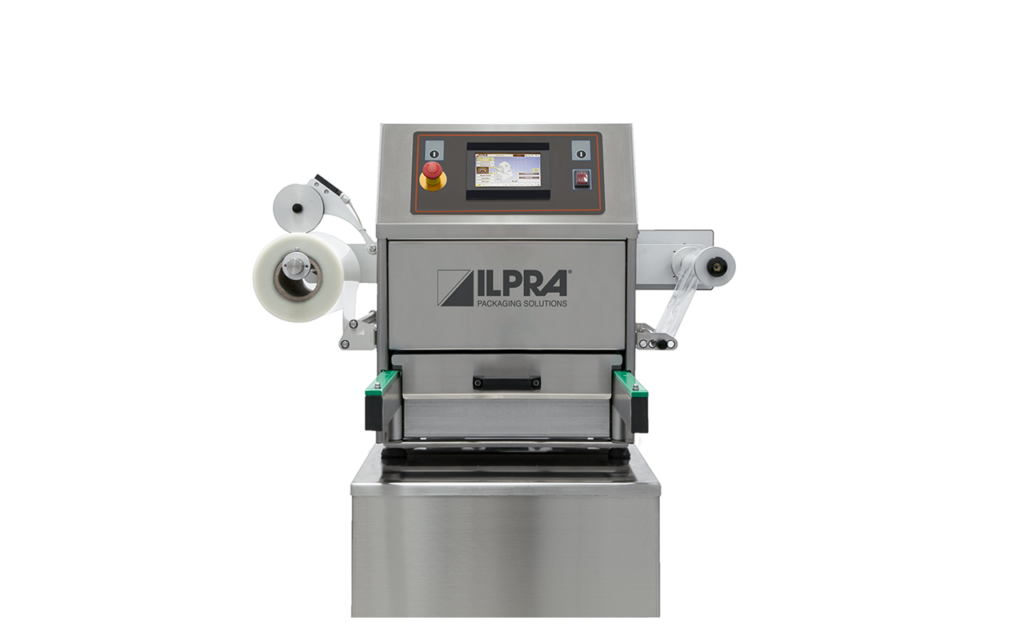
Semi-automatic tray sealers require manual placement and retrieval of trays but automate the filling and sealing steps. These machines provide a compromise between automation and adaptability, suitable for medium-scale packaging operations involving various product types.
Semi-automatics
Semi-automatic tray sealers require manual placement and retrieval of trays but automate the filling and sealing steps. These machines provide a compromise between automation and adaptability, suitable for medium-scale packaging operations involving various product types.
 Automatics
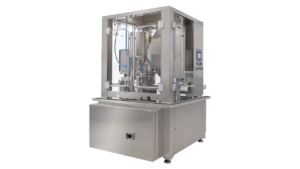
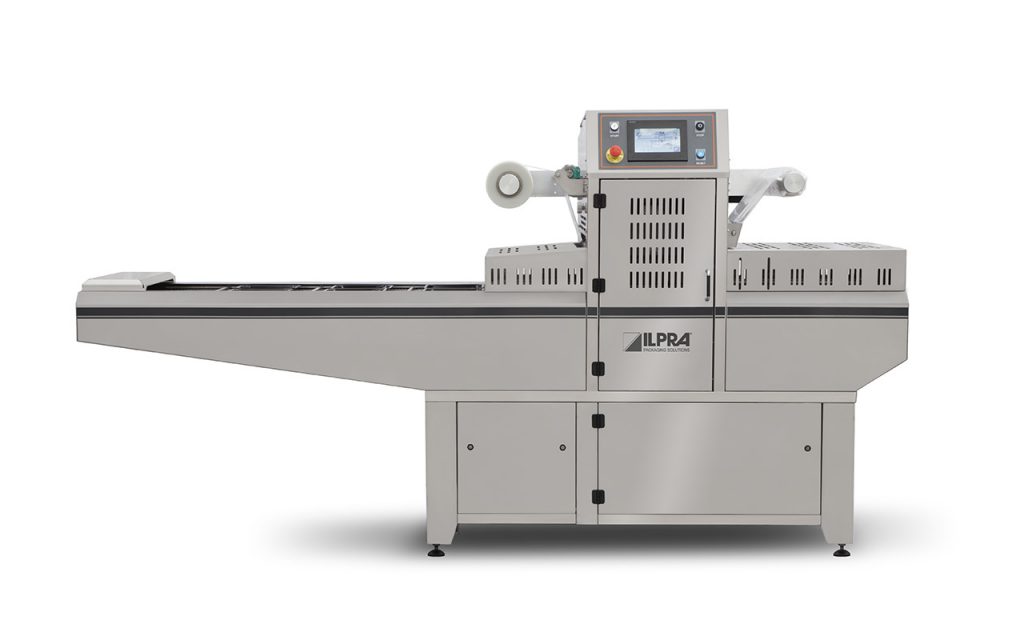
Automatic tray sealers function with minimal human effort, using cutting-edge technology to automatically fill and seal trays. These machines are ideal for uniform, high-speed packaging, effectively reducing labor costs and enhancing production speeds.
Automatics
Automatic tray sealers function with minimal human effort, using cutting-edge technology to automatically fill and seal trays. These machines are ideal for uniform, high-speed packaging, effectively reducing labor costs and enhancing production speeds.
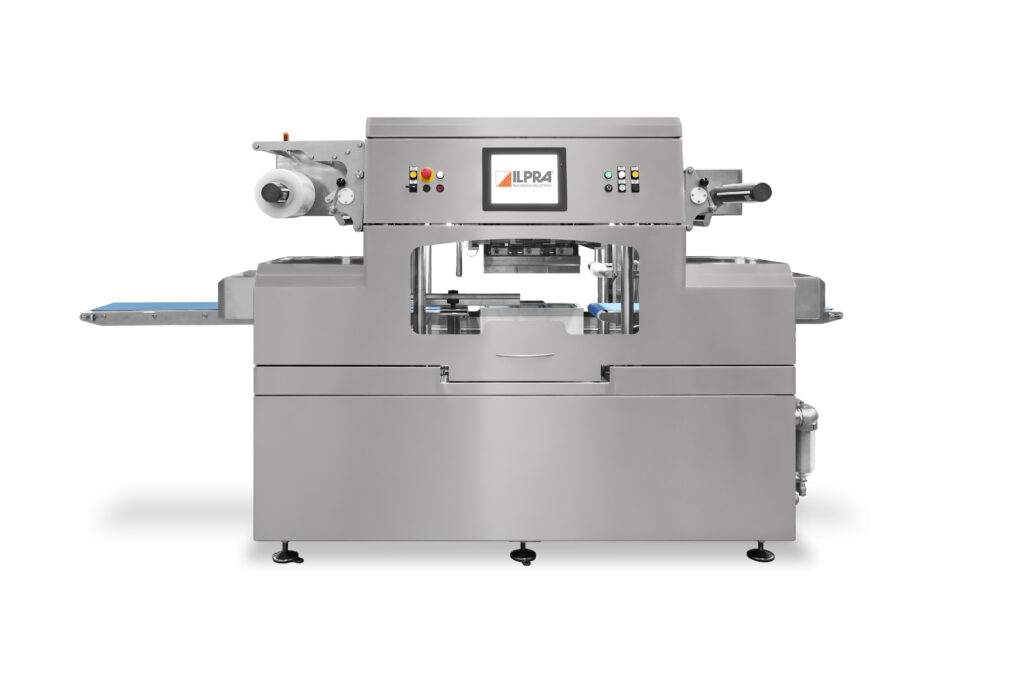 In Line
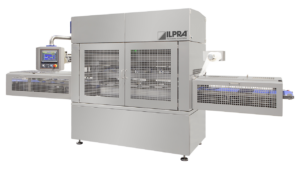
In-line tray sealers are incorporated into production lines, delivering continuous sealing operations for high-volume packaging demands. These units are crafted for flawless integration with automated production workflows, boosting both efficiency and output.
In Line
In-line tray sealers are incorporated into production lines, delivering continuous sealing operations for high-volume packaging demands. These units are crafted for flawless integration with automated production workflows, boosting both efficiency and output.
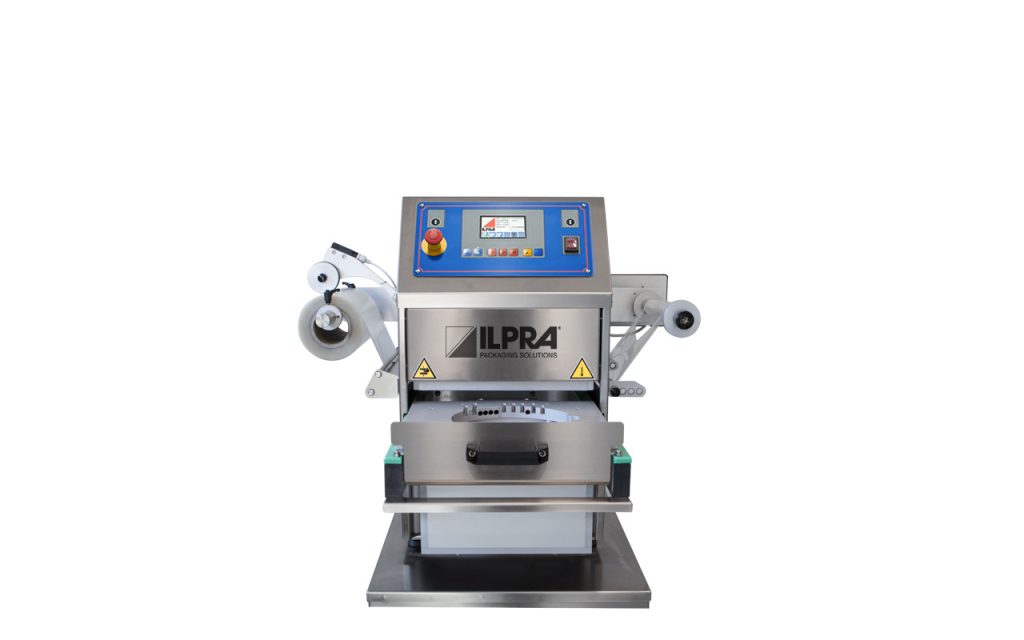 Bucket Line
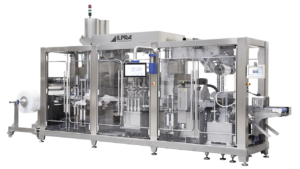
Special application tray sealers are designed to address unique packaging needs, such as modified atmosphere packaging (MAP) or skin packaging, to prolong shelf life or improve product presentation. These machines are customized to fulfill industry demands and / or product specifications.
Bucket Line
Special application tray sealers are designed to address unique packaging needs, such as modified atmosphere packaging (MAP) or skin packaging, to prolong shelf life or improve product presentation. These machines are customized to fulfill industry demands and / or product specifications.
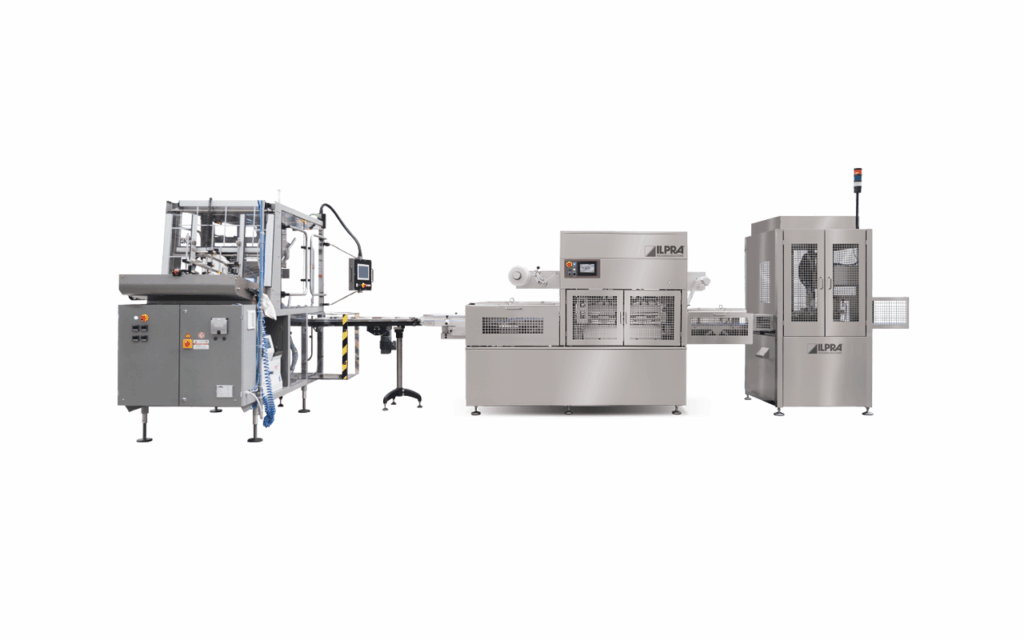 Paper Shape Line
FAQ
A tray sealer allows food products to be packaged quickly, hygienically, and efficiently. It helps protect products from external contamination, improves product preservation, and facilitates distribution and retail presentation.
Tray sealers are suitable for a wide range of food products, including:
- Meat and processed meats
- Cheese and dairy products
- Fish and seafood
- Ready meals
- Fresh pasta
- Fruits and vegetables
- Bakery products and desserts
- Pet food
Modified Atmosphere Packaging (MAP) replaces the air inside the package with a protective gas mixture to extend the product’s shelf life.
Skin Packaging (VSP) uses a high-barrier film that tightly conforms to the product, enhancing presentation while preventing product movement inside the package.
MAP packaging helps:
- Extend product shelf life
- Preserve freshness and quality
- Reduce food waste
- Improve logistics and distribution
- Protect the product’s organoleptic properties
Skin packaging offers several advantages:
- Premium product presentation
- Improved product stability inside the package
- Reduced liquid loss
- Enhanced product visibility
- Better space optimization during transport and display
The ideal machine depends on several factors:
- Production volume
- Tray dimensions
- Product type
- MAP or Skin packaging requirements
- Desired level of automation
- Available production space
Semi-automatic tray sealers are ideal for small and medium production volumes and require operator involvement for loading and unloading trays.
Automatic tray sealers incorporate automated handling systems, providing higher productivity and greater operational continuity.
Moving to an automatic tray sealer is recommended when:
- Production volumes increase
- Greater operational continuity is required
- Packaging costs need to be reduced
- Overall production efficiency must be improved
Upgrading from an automatic tray sealer to an inline tray sealer is recommended when production volumes increase and a continuous packaging flow becomes necessary.
Automatic tray sealers are ideal for medium-to-high production levels, while inline tray sealers are designed to:
- Significantly increase hourly output
- Support multi-shift operations
- Handle large volumes of trays
- Integrate seamlessly with automatic loading and end-of-line systems
- Optimize the efficiency of the entire production process
In general, the transition makes sense when overall production capacity becomes the bottleneck rather than the sealing process itself.
An inline tray sealer provides greater production continuity thanks to automatic tray transport and uninterrupted product flow.
Compared to a conventional automatic tray sealer, it offers:
- Higher productivity
- Reduced downtime
- Better integration with automated production lines
- More efficient handling of large production batches
- Improved utilization of production resources
It is the ideal solution for large-scale manufacturers seeking consistently high performance.
Several indicators suggest it may be time to move to an inline solution:
- Continuous growth in production demand
- Multi-shift manufacturing requirements
- Frequent saturation of the existing automatic machine
- Increased need for process automation
- Integration requirements with filling, labeling, or end-of-line systems
When these factors become critical, an inline tray sealer can significantly increase throughput while maintaining high quality standards.
Yes. Automatic tray sealers can be integrated with:
- Filling systems
- Weighing equipment
- Labelling systems
- Quality control devices
- End-of-line and palletizing systems
to create a fully automated packaging line.
Get in touch
Speak to one of our experts
Get in touch with our team for tailored advice on which packaging solution is right for your products.
Contact Us